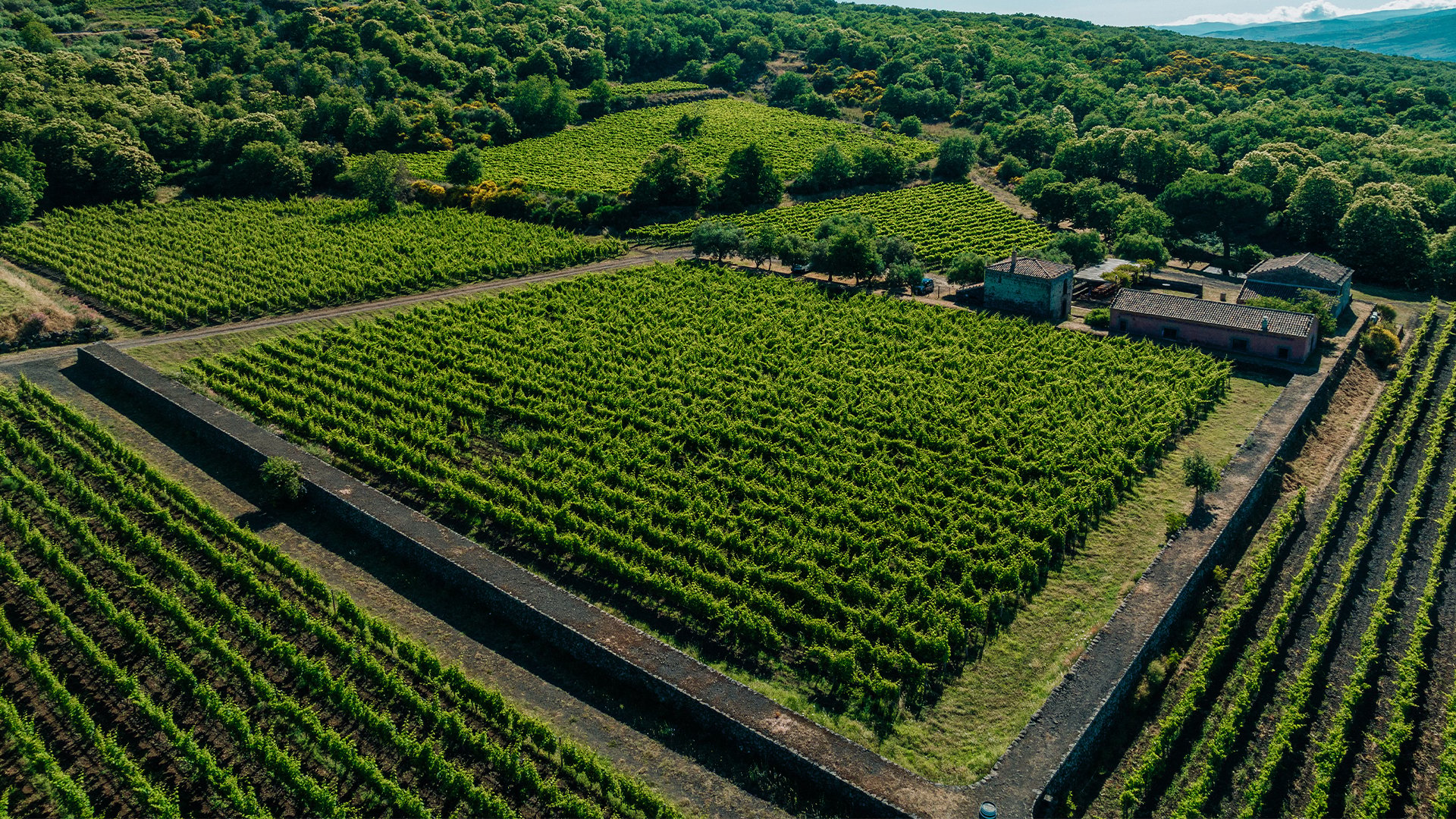
In 2008, after a long search for the best lands for our vineyards, we settled on the northern slope of Mount Etna, between the lava flows and the woods surrounding Passopisciaro: here we planted our Nerello and Carricante vineyards and, in 2012, the winery was also born. The volcanic soils of Etna originate from the slow degradation of lava rock, the abundant presence of ash that pours out of the crater and organic matter. They are rich in skeleton and minerals. The quantity and size of the skeleton vary greatly on the different terraces, as does the depth of each soil. In any case, fertility and complexity are the common features of the different soils in our vineyards in the Etna area.
Discover the wineries of the territory


Etna
Sciaranuova
- Estate since 1997
- Total Hectares 30
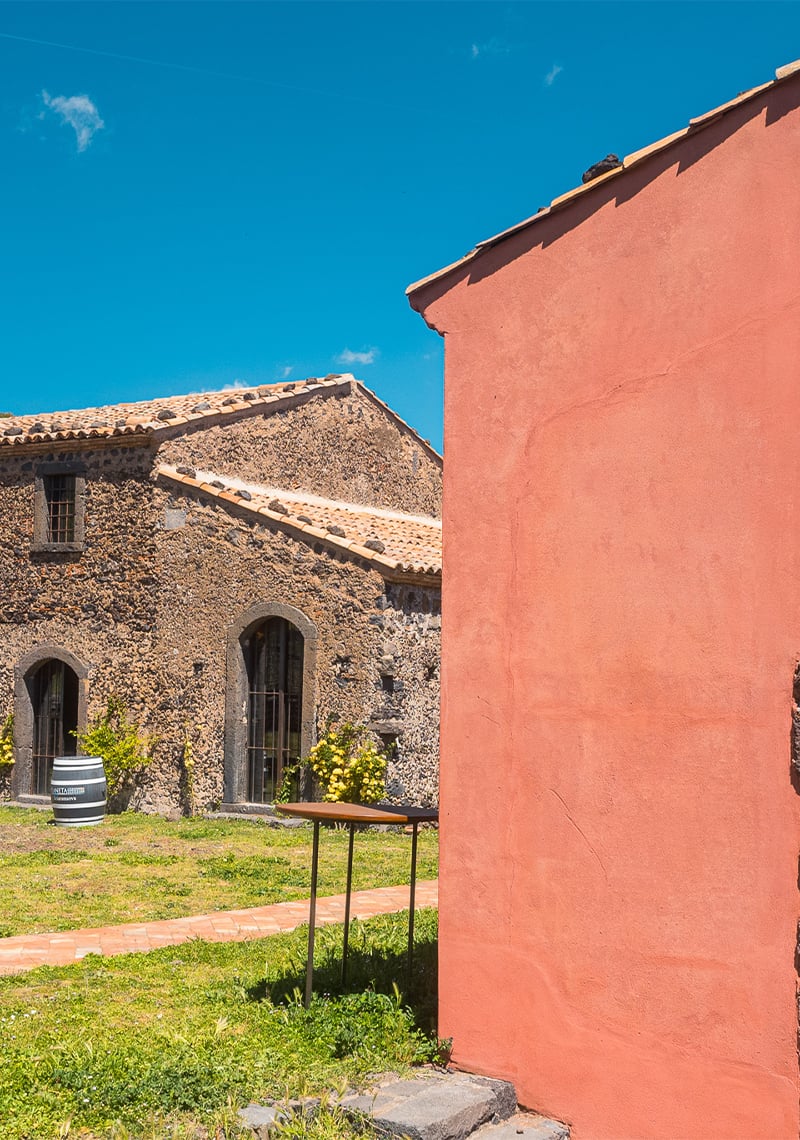
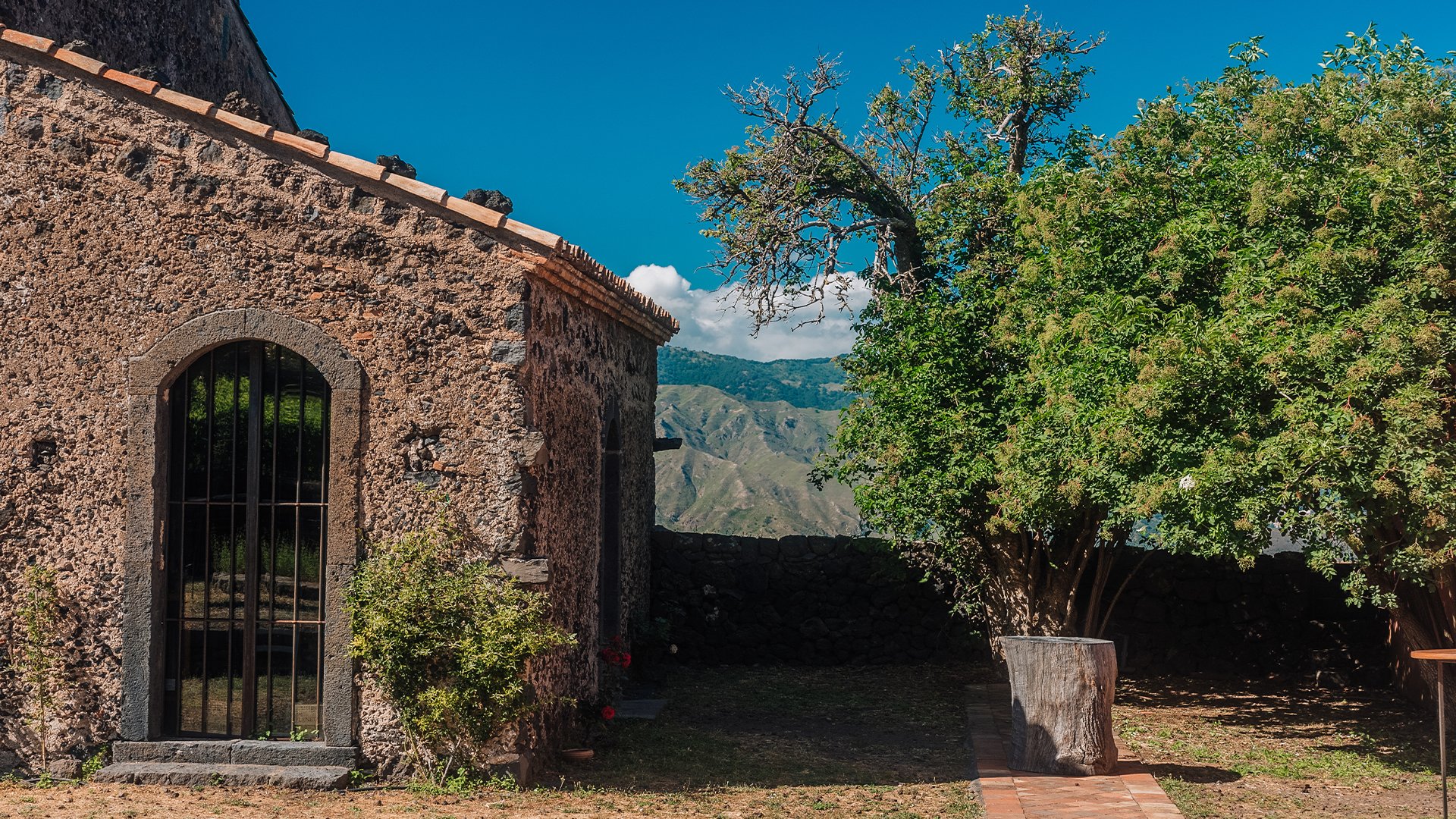
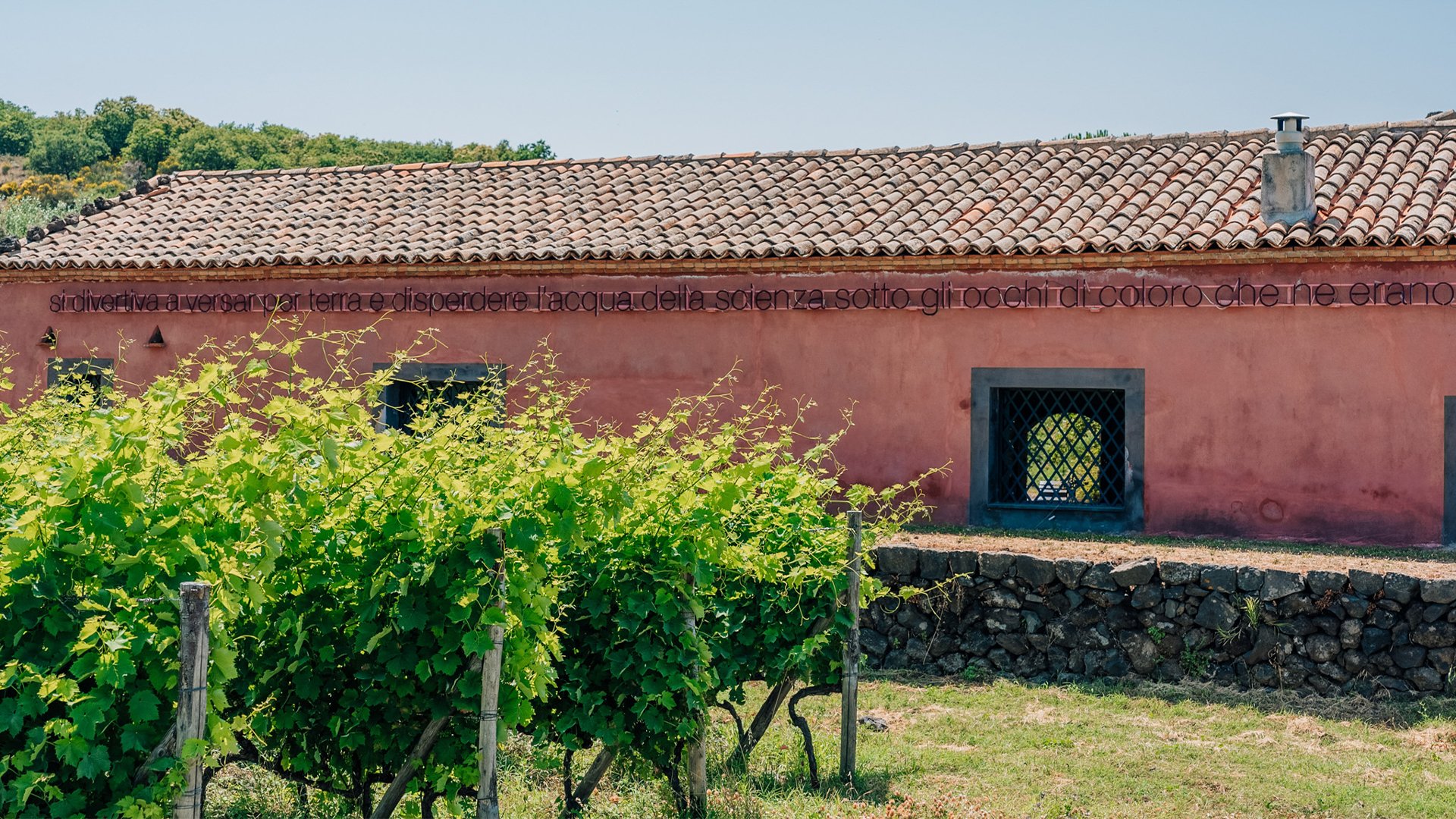
The estate extends to the south and north of the village. To the north, in the middle of the beautiful Sciaranuova vineyard, at an altitude of over 800 meters, we have invested in the conservative restoration of the ancient dwellings, which today represent the heart of our hospitality. At Sciaranuova we have transformed a part of the ancient terraces into a Vineyard Theater, which every summer hosts the Sciaranuova Festival, one of the cultural productions that we have conceived and produced.
Wine Tour
Discover the experiences at Sciaranuova
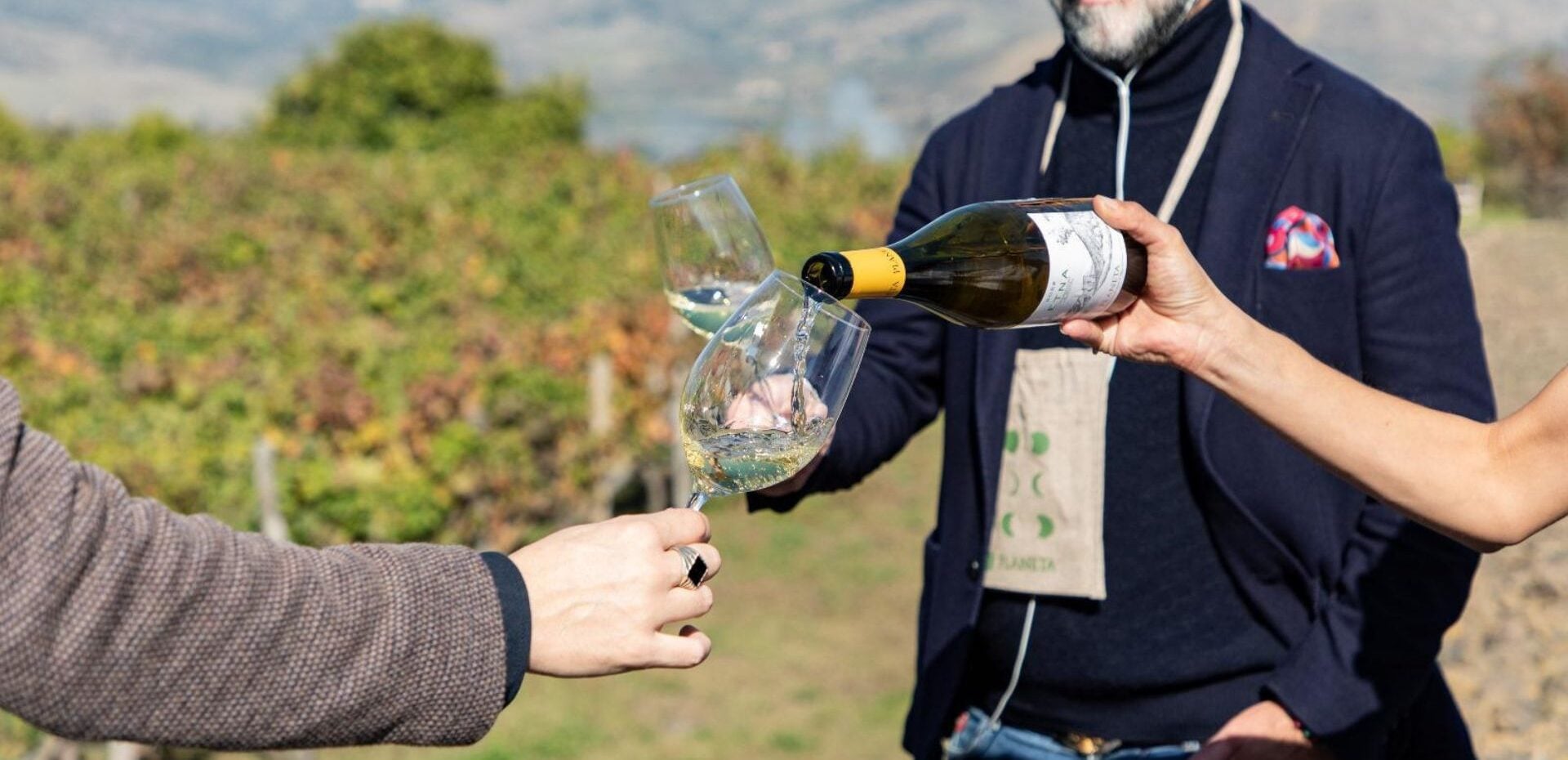
At the Sciaranuova Winery, Planeta’s wine tours will allow you to experience Etna through its most authentic elements.
Let the Volcano tell you its millennia-old story, sip after sip.
Feudo di Mezzo
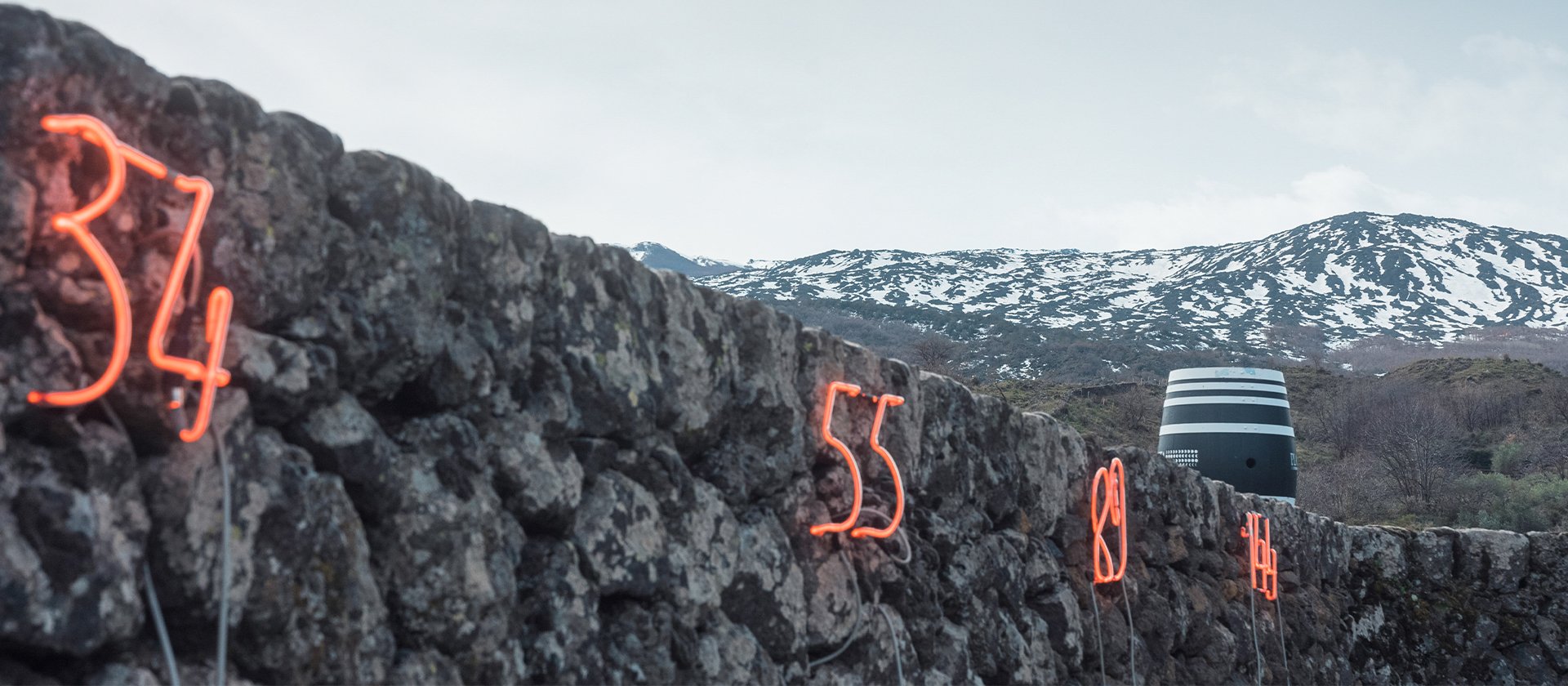
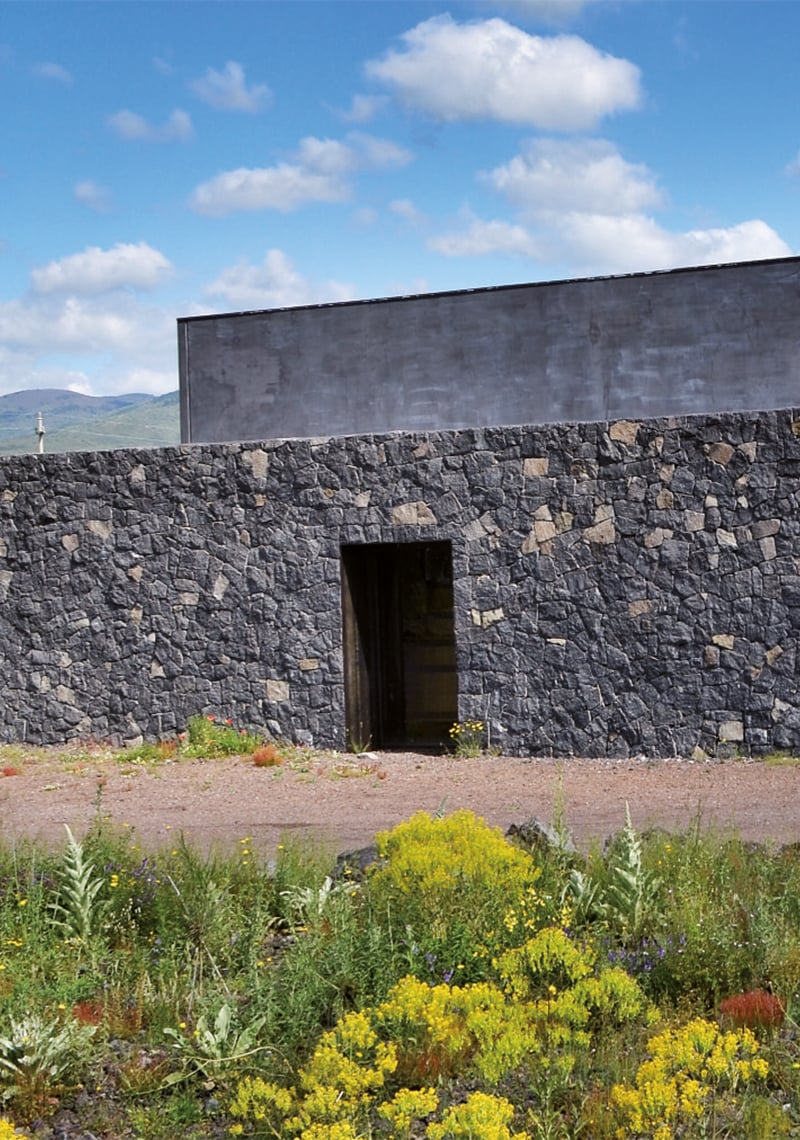
A sud, abbiamo costruito la cantina a Feudo di Mezzo, in posizione baricentrica tra i nostri vigneti Sciaranuova e Montelaguardia, poco a sud del centro di Passopisciaro. Qui vicino abbiamo piantato anche le vigne di Torreguarino, Pietramarina e Montelaguardia, ideale per i nostri bianchi. La Cantina nasce in un sito spettacolare, un vero e proprio giardino di pietra, all’interno di una colata lavica del 1556. Con la consueta attenzione all’impatto della nostra presenza sul territorio, abbiamo voluto un progetto architettonico perfettamente integrato al contesto paesaggistico, che ne cita gli elementi fondamentali in chiave moderna, a cominciare dall’utilizzo della pietra lavica nella costruzione dell’edificio.
The wines of Etna
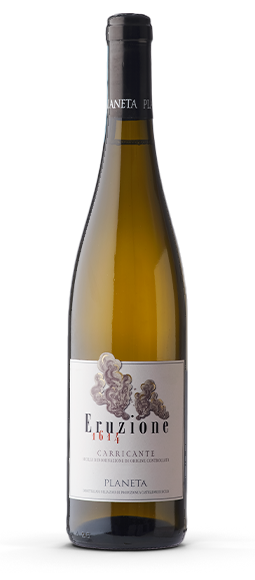
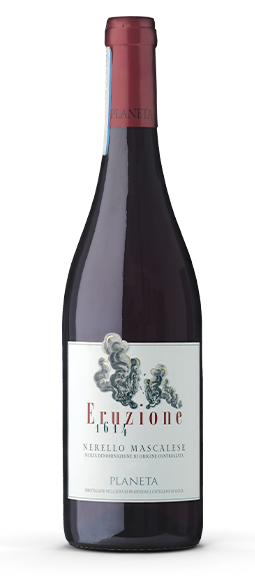
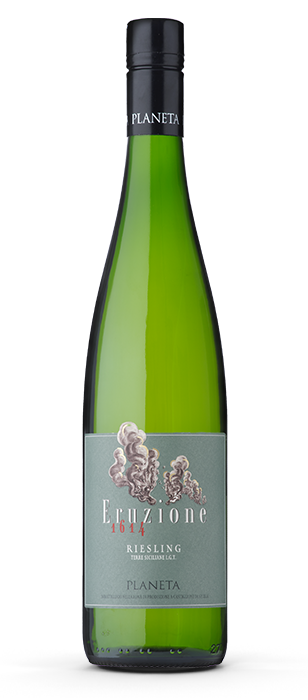
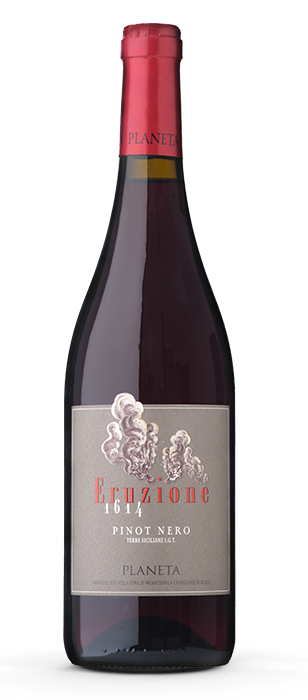
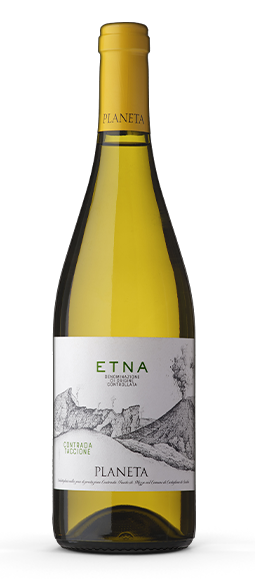
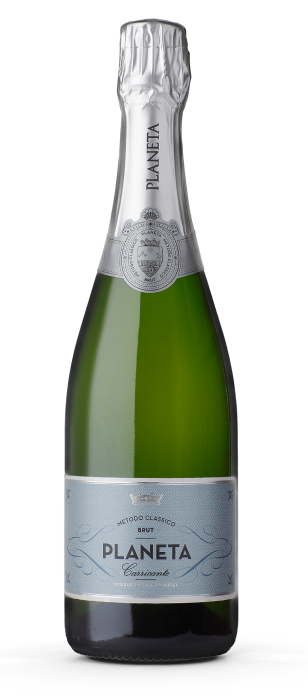

The wines of Etna