Sustainability

We view sustainability
as a direction, not a destination.

For a winery, this work today needs to be defined in a broader and more ambitious way.

Economically sustainable, ecologically attentive, socially equitable: since day one, our production has adhered to the three “e’s” that define modern viticulture.

In addition to implementing enological practices that are sensitive to the ecosystem and aimed at enhancing environmental quality in the long term, some of our projects are entirely oriented towards sustainability. One such example is the La Baronia estate in Capo Milazzo. But this is not enough. Our role is made effective by the comprehensive social responsibility actions we undertake: protecting production in individual territories, preserving landscapes and traditions, initiating special projects, and promoting culture.
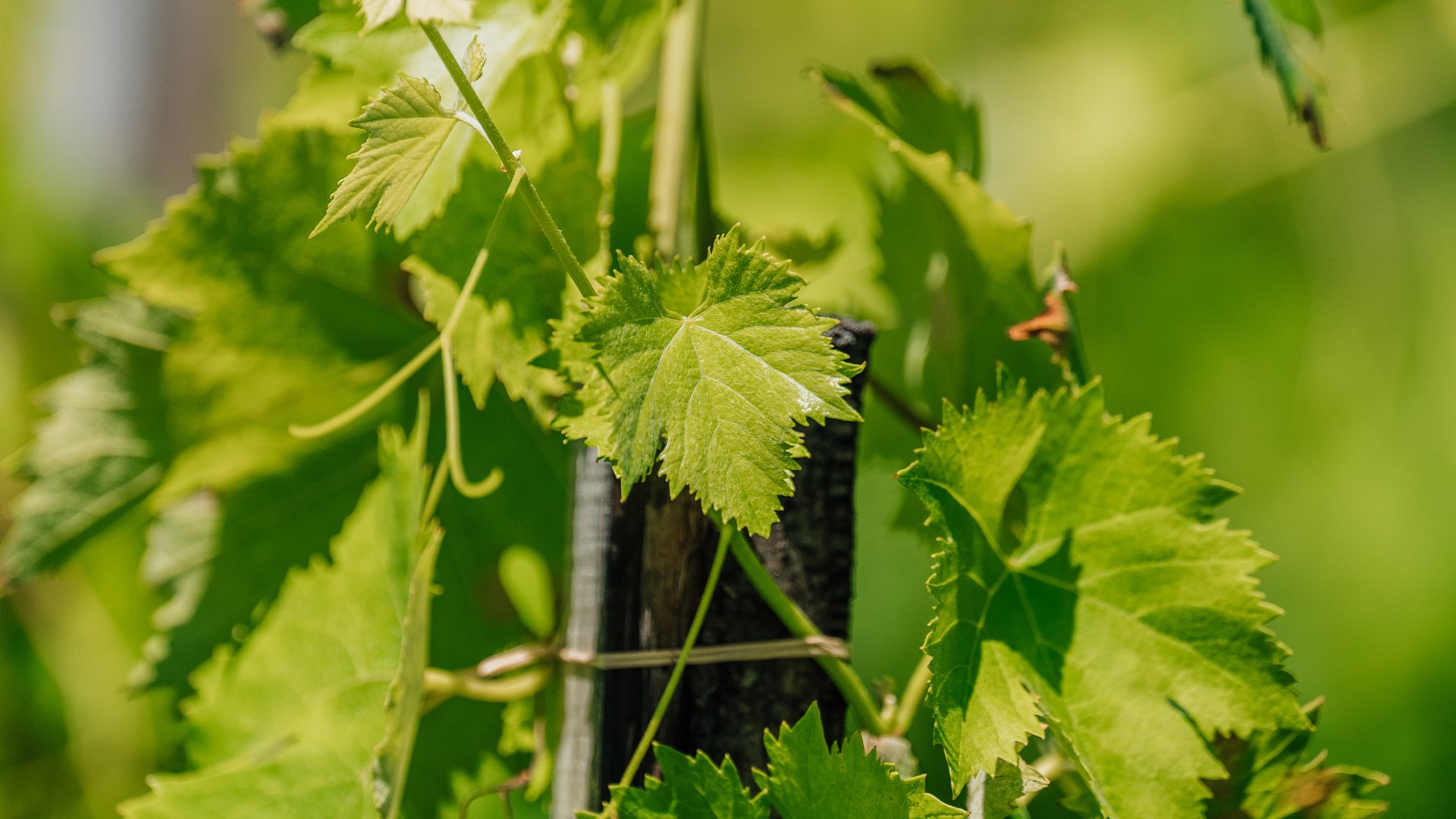
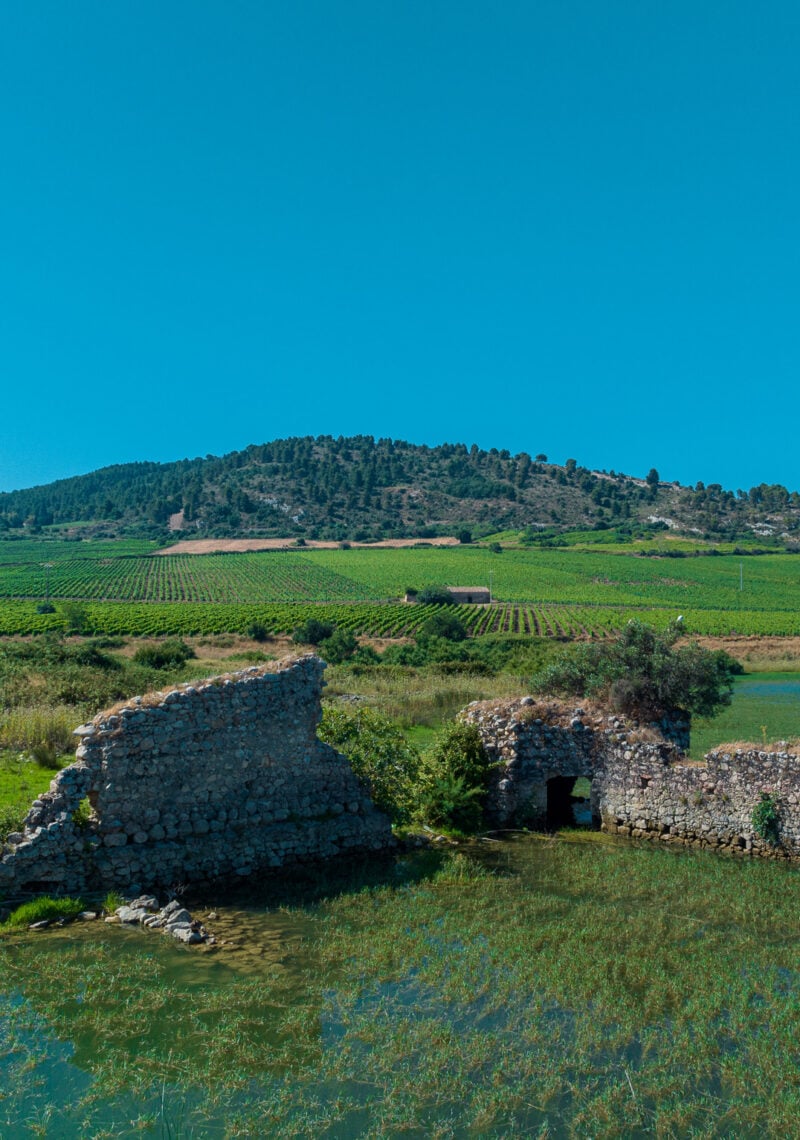
In every territory where we are present, we are committed to protecting the landscape, not merely by minimizing our impact but by making it positive. This is exemplified at Capparrina, where we have transformed an area at risk of being overtaken by cement into an olive grove by the sea, now a permanently protected oasis. Another example is Capo Milazzo, where on the lands owned by the Fondazione Lucifero, we care for vineyards and olive groves using agricultural systems that are in full harmony with the territory. Here, we have implemented a “disassemblable” winery and restored pathways, as we previously did at Ulmo within the “La Segreta” forest surrounding our estate.

The designs of our wineries fully adhere to the principles of eco-friendly architecture. In Noto, we constructed an Invisible Winery, hidden beneath a natural slope of the hills, with an innovative project that perfectly balances technical requirements and architectural solutions. On Etna, we built a Lava Winery within a 16th-century lava flow: the project integrates seamlessly into the landscape, incorporating elements in a modern way, starting with the use of lava stone in the construction of the building and the cellar, which resembles an ancient stone quarry. Lastly, in Capo Milazzo, we introduced a Disassemblable Winery: the small, lightweight structure made of iron and stone is designed to be temporary and can be completely removed without harming the environment.

Three hundred square meters of photovoltaic panels supply a portion of the energy needed to operate the Menfi wineries, and we use wood biomass for boilers wherever possible.

Logo Sustainability report

“The historical moment asks us to be aware and to approach entrepreneurial activity and the lives of citizens with a sense of responsibility and respect for nature and its inhabitants.”

– Alessio Planeta

Read Sustainability Report 2024

Organic certification

Planeta represents the story of a Sicilian family and their agricultural activity for almost five centuries and seventeen generations.

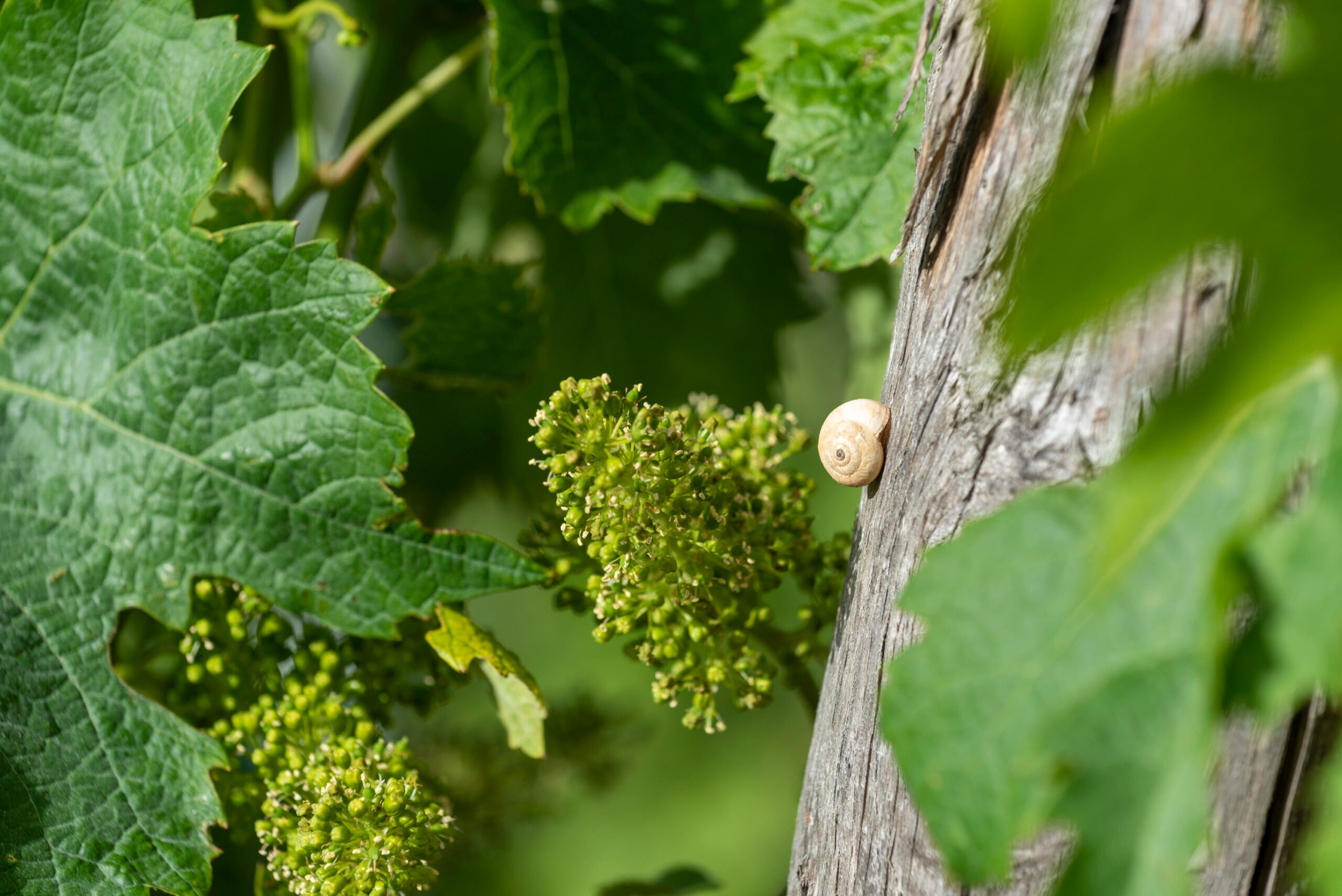
Our approach to sustainability considers the value of agriculture as an activity that not only respects but coexists with the surrounding environment. The company applies agricultural practices that are as non-interventionist as possible and invests energy in initiatives ranging from research programs to cultural initiatives, enhancing regional resources of excellence and land conservation.

The set of protocols and behaviors that summarize our vision are taken up under the name of Planeta Terra, whose program considers agriculture both as a vehicle for sustainability and as a source of well-being for humans and nature. Since 2021, the entire cultivated area –vineyards, olive groves, almond groves, and cereals– has been under organic certification.

Planeta is also among the founders and promoters of the SOStain® program, established in 2011, in which it has also been certified since 2014. The program, through the SOStain Foundation, provides for and develops the regional sustainability protocol for Sicilian viticulture, already adopted by over 30 Sicilian wineries, with the aim of stimulating research and advanced training to develop a culture of sustainability at all levels.

Sostain

SOSTAIN envisions a path of continuous improvement towards increasing levels of sustainability. The steps forward are constant and the results are measured through the achievement of defined objectives, but always with the logic of a “never ending list”, according to a shared principle for which it will always be possible to take further steps forward.

SOSTAIN is the first major Italian environmental viticultural certification project, developed by the University of Piacenza in collaboration with the University of Milan. Planeta has transformed it into a fundamental piece for the future of viticulture in Sicily, combining traditional and organic viticulture with the application of scientific and technological innovations. The program stands out for its transparency in communication, multidisciplinarity of the topics covered, and a coherent, consistent, and innovative scientific approach.

bottiglia made in sicilia

New bottle 100% Sicily

Sustainable from all points of view: it is produced, in fact, with recycled glass sourced exclusively from the separate waste collection system built on the island and transformed into the OI Glass plant in Marsala, the only regional glassworks.

The recycling, the short supply chain and the choice to produce a particularly light bottle (just 410 grams), allows us to significantly reduce the level of carbon footprint in the bottling and distribution phases.
We joined this project of the SOStain Sicilia Foundation from the very first moment and our Terebinto and Alastro are the first wines that are traveling the world with this little symbol of the Sicily of the future!

Viti Diverse

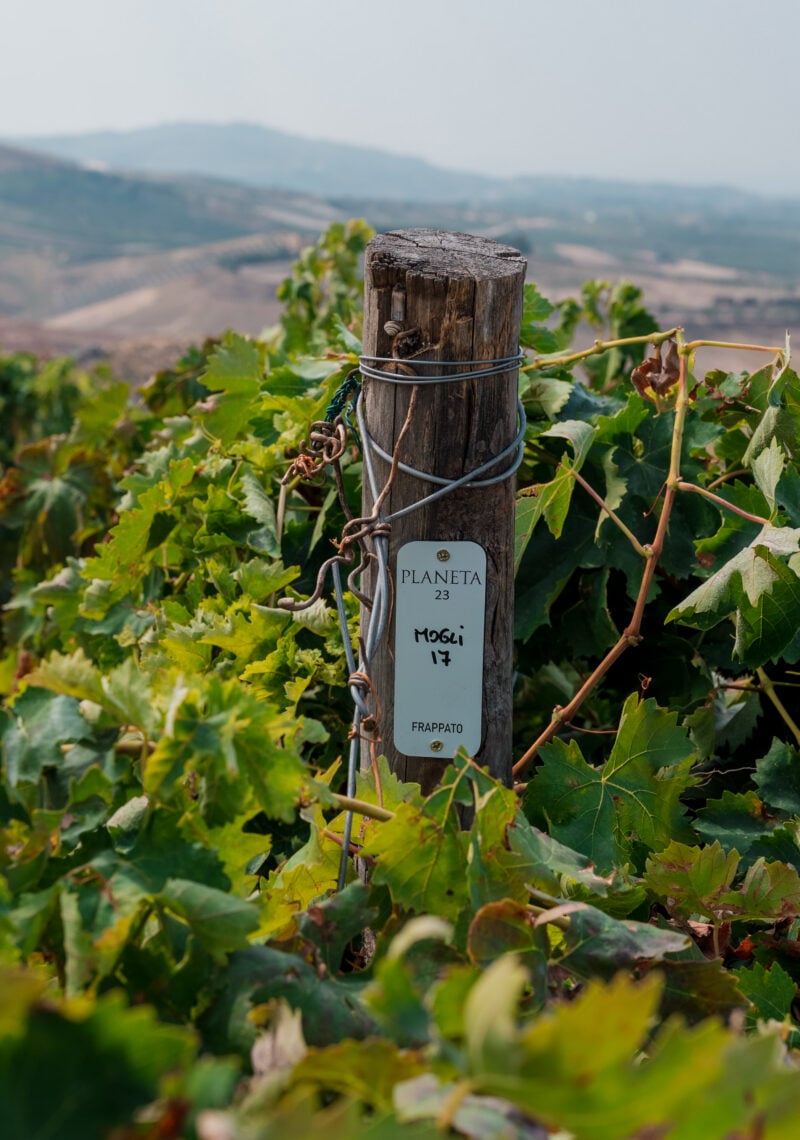
Viti Diverse is an innovative project in the Sicilian wine sector, which aims to protect and enhance the genetic diversity of grape varieties and ensure the sustainability of Sicilian vineyards for future generations. The project is divided into several phases, including the survey of vineyards over twenty years old in various areas of Sicily to identify over 400 “mother plants,” a phase that involved seven winemakers and the Planeta company. Subsequently, a detailed virological analysis of the shoots was conducted using the ELISA test to assess plant health status. A Collection Camp has been established in Cirami, in the municipality of Sciacca, at an altitude of 400 meters, to preserve biotypes from different areas that have been compared with commercial clones in order to preserve and further enrich genetic diversity.

img francolino

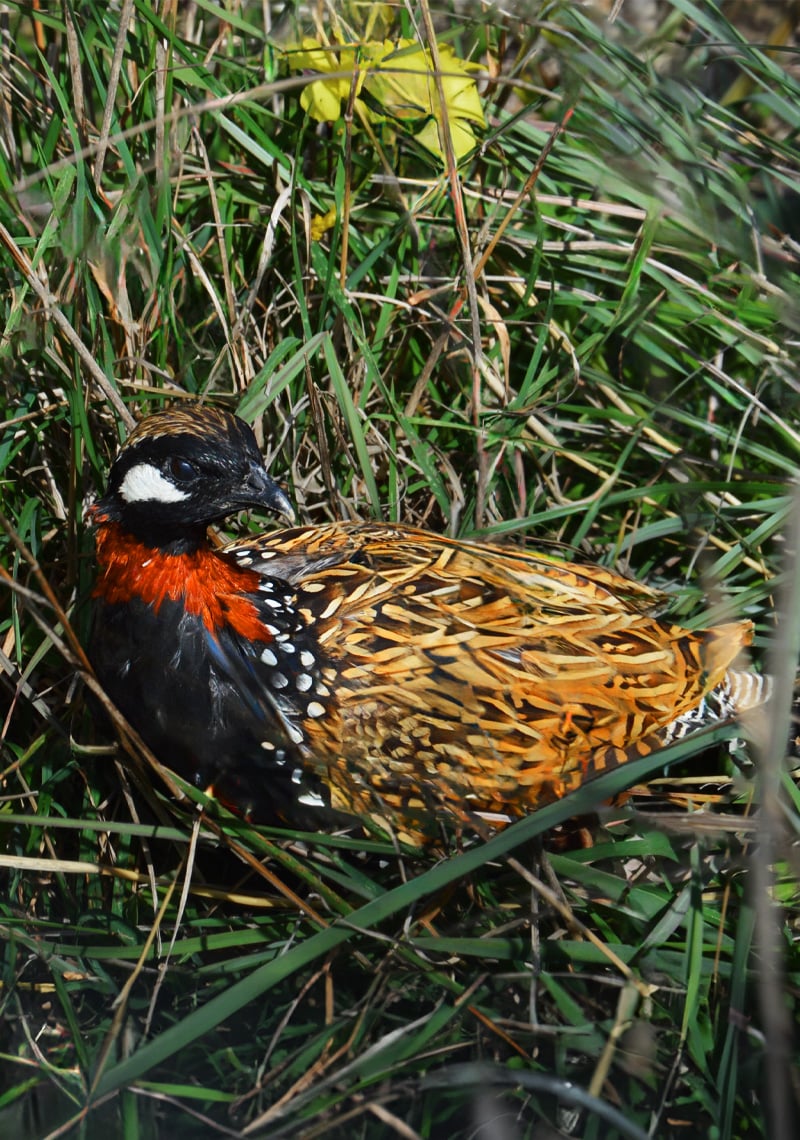
The Francolino returns to Sicily

In collaboration with the International Biodiversity Foundation of the Mediterranean, we are carrying out the project for the reintroduction of Francolin in Sicily, which has been extinct since 1870 but is still present in other areas of the Mediterranean. Planeta made available an area in Memphis to release 40 individuals selected with the Zootechnical Institute of the Sicilian Region.

The area was chosen to ensure the absence of human disturbances and predators such as wild boars, with different environmental characteristics to evaluate the success of the project. The company also provides logistical support and temporary habitats to help birds adapt, closely monitoring their behavior and adaptation. Constant analysis will guide any improvements in the reintroduction process.